
Target 01
Aurum Prime
The core diatreme–epithermal system and primary discovery area, host to the high-grade Qiriyaga Complex (VA25-DH11: 22.12 m @ 12.80 g/t Au).
Explore Aurum Prime
Kalo Gold is a gold exploration company focused on the discovery and advancement of multiple epithermal gold systems within the 100%-owned, 367 km² Vatu Aurum Project on Vanua Levu, Fiji.
Kalo Gold Corp (TSX-V: KALO, OTCID: KLGDF, FSE: 9M51) is focused on the discovery and exploration of multiple epithermal gold systems across the 367 km² Vatu Aurum Project in Fiji. Our strategy is driven by advanced geological analysis and a commitment to sustainable development.
Covering 367 km², the Vatu Aurum Project presents a significant opportunity in the Pacific’s “Ring of Fire,” a region known for productive gold and copper deposits. Recent geological mapping and geochemical analysis confirm gold at Wainikoro by fire assay up to 8.78 g/t Au.
Gold in the Ring of Fire
Kalo Gold’s 100%-owned Vatu Aurum Project covers 367 km² on Fiji’s north-central island of Vanua Levu, within two contiguous Special Prospecting Licences — SPL 1464 (Cirianiu) and SPL 1511 (Coqeloa).
Location: Vanua Levu, Fiji — a historically prolific but under-explored gold region in the Pacific “Ring of Fire.”
Scale: 367 km² property along the Nubu Graben, a back-arc basin that can host productive epithermal gold systems.
Confirmed gold: 2026 certified fire assays up to 8.78 g/t Au at Wainikoro, alongside high-grade diatreme-hosted gold at the Qiriyaga Complex.
More than CAD $40 million has been invested in historical and modern exploration. Data integration and intensive fieldwork have defined three co-equal exploration targets — Aurum Prime, Wainikoro and Coqeloa — along the 40 km Nubu Graben corridor.
The core diatreme–epithermal system and primary discovery area, host to the high-grade Qiriyaga Complex (VA25-DH11: 22.12 m @ 12.80 g/t Au).
Explore Aurum PrimeA confirmed gold-bearing epithermal system ~5 km southwest of Aurum Prime, with gold in surface outcrop and bedrock up to 8.78 g/t Au.
Explore WainikoroA hybrid epithermal–porphyry target defined by Cu–Mo–Au geochemistry and magnetite-bearing veins along a preserved arc.
Explore CoqeloaFiji’s complex geological history has created the setting for prolific epithermal gold systems. Located along the Pacific “Ring of Fire,” the islands lie at the boundary of the Pacific and Australian plates, where ongoing subduction and volcanic arc evolution have shaped the mineral-rich foundation of the region.
The island of Vanua Levu (North Island), home to Kalo Gold’s Vatu Aurum Project, has undergone a dramatic tectonic transformation:
Island Arc Origin: Vanua Levu (North Island) was originally part of a south-facing island arc formed by Pacific-Australian plate subduction.
Island Rotation: The island rotated over 90° during the Miocene–Pliocene, reactivating deep faults and reshaping fluid pathways.
Graben Opening: Continued tectonic activity caused the crust to stretch and open the Nubu Graben, a key gold-hosting fault system.
Volcanic Filling: Volcanic activity filled the graben with ash, lava, and hydrothermal systems over millions of years.
Formation of the Nubu Graben, a key gold-hosting fault system.
NW–SE oblique faults, Riedel and P-shears became the dominant gold-hosting fluid conduits, aligning with mapped gold-in-soil anomalies and recent trenching.
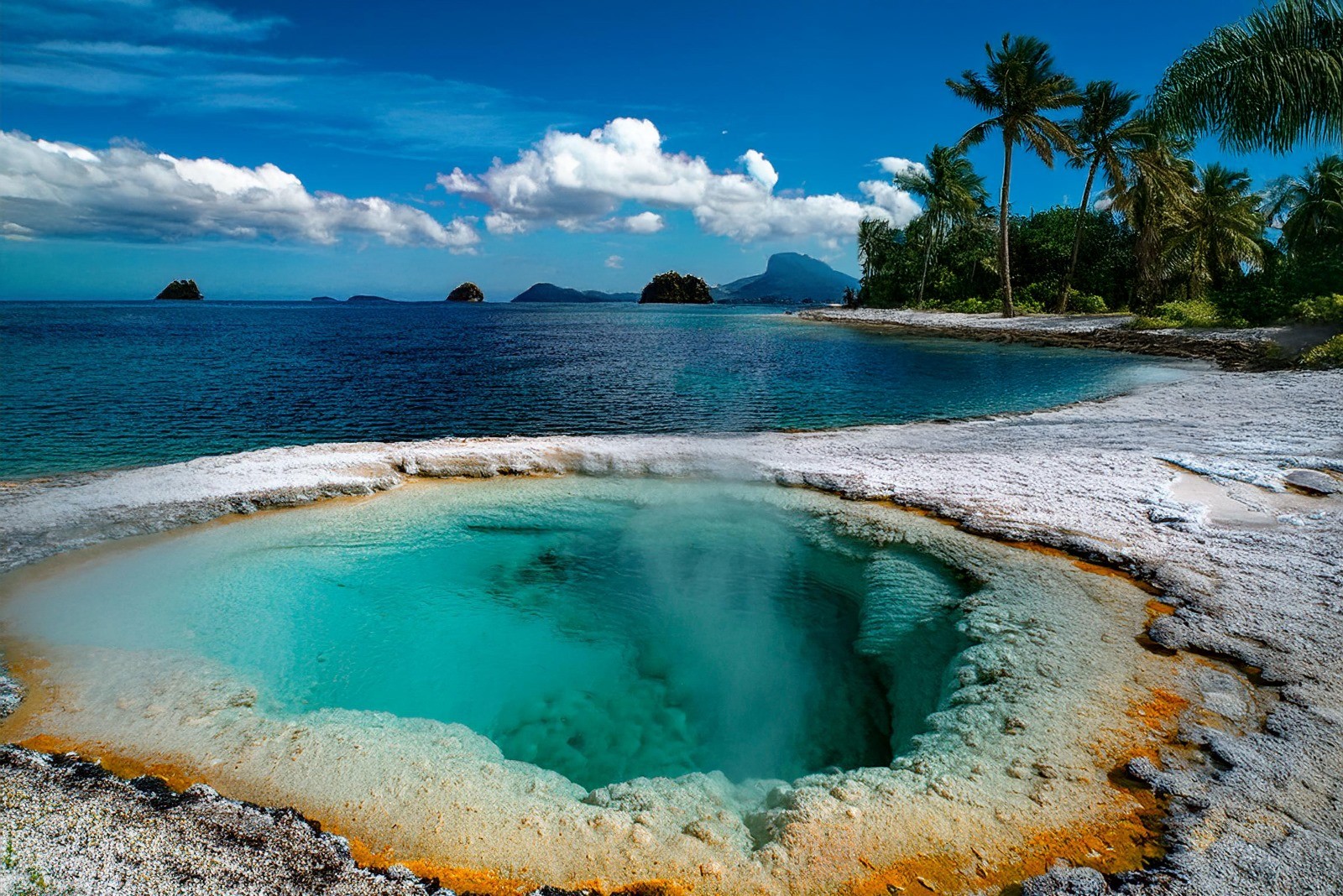
The segmented, en-echelon Nubu Graben preserves the full epithermal column, from surface sinter caps to deeper boiling zones, with relay zones as prime dilation sites.
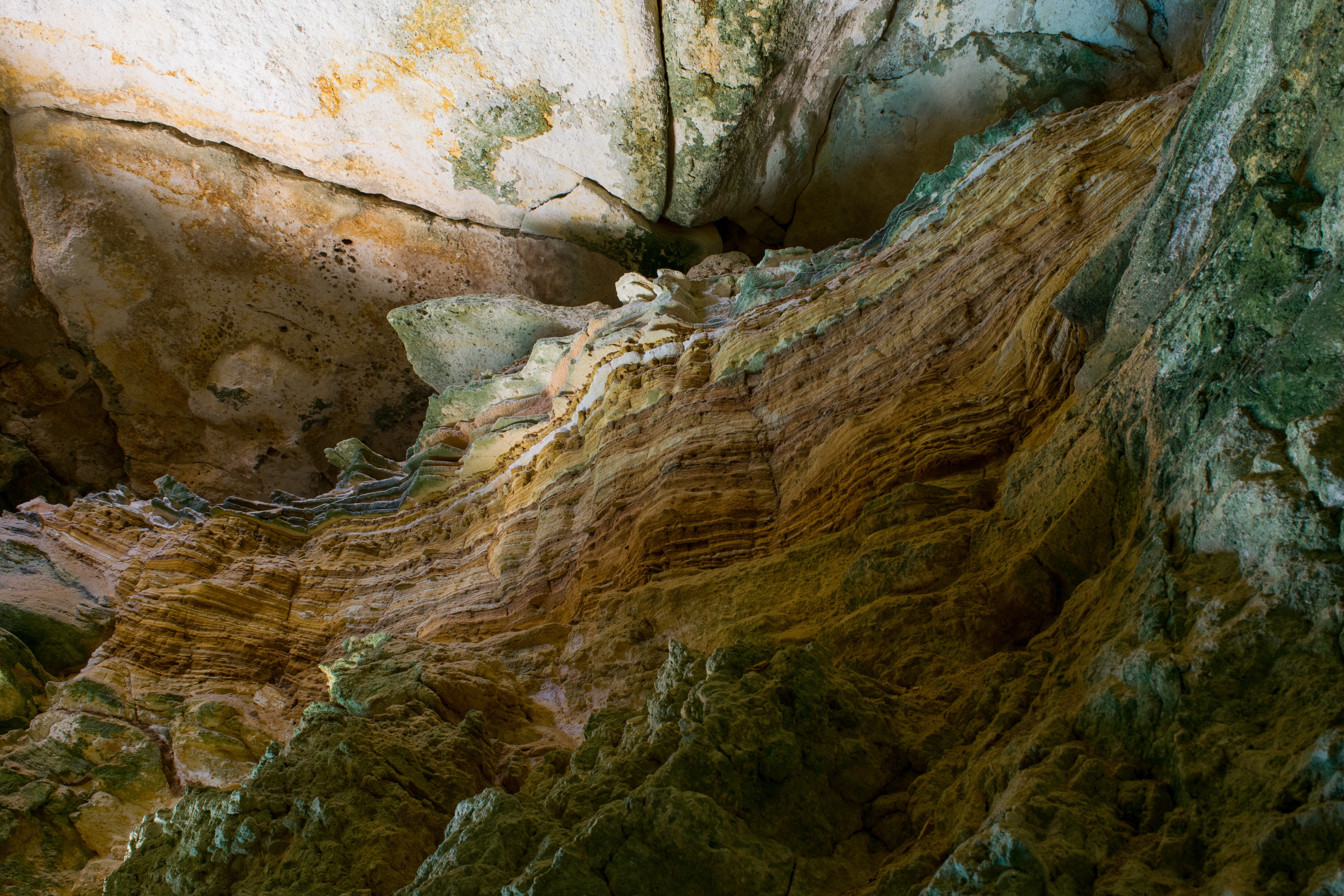
Repeated volcanism, including a coastal belt of caldera-related centres, provided the deeper heat to sustain long-lived mineralisation.
Defined by a coincident magnetic low and arsenic–gold soil anomaly, Wainikoro sits within dilational structures on the same reactivated architecture.
Stay Connected
Get Kalo Gold news releases, exploration updates and disclosure directly by email.
Suite 1507, 1030 West Georgia Street
Vancouver, British Columbia, V6E 2Y3, Canada
+1 (236) 200-KALO (5256)